Architectural shingles
The layered profile provides a dimensional appearance. Underlayment, starter, caps, fastening and flashing remain part of the complete installation, even when the color is the most visible choice.
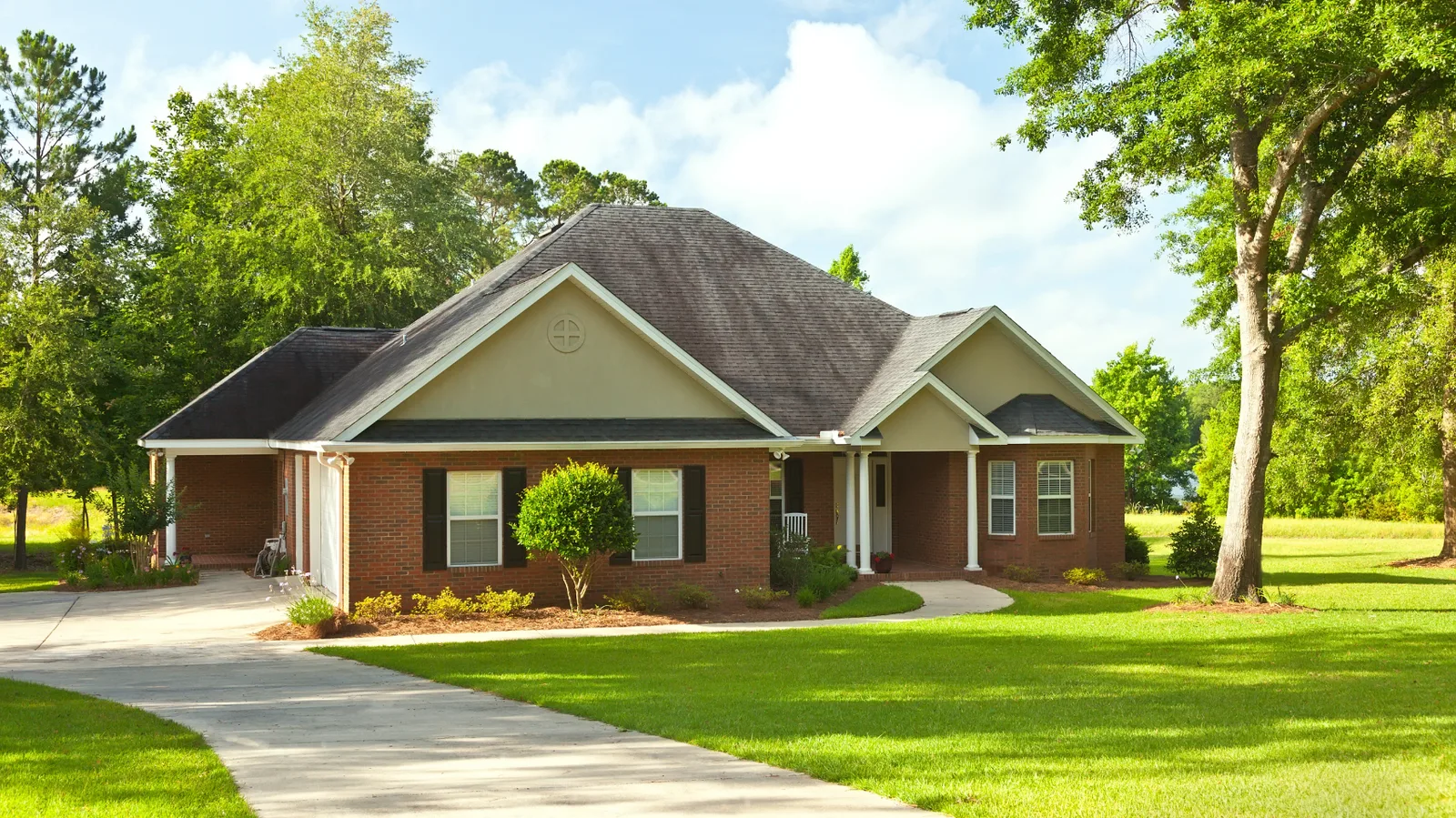
A leak needs attention. A worn roof needs a sensible plan. Choctaw Roofing Co helps you start with the roof you have and choose work that fits the problem.
Request a free roof inspection for repair, replacement or commercial roofing questions in Choctaw.
Your roof protects the rooms, belongings and everyday routines below it. When something changes, the useful first step is a closer look, not a guess about how much roofing you need.
A roof walk, when conditions allow safe access, helps establish where water gets in, how the surrounding covering is holding up and whether a focused repair can do the job. When the roof has broader wear, the conversation shifts to a replacement scope, material options and a realistic project budget.
Start with what you have noticed. We can help turn a ceiling stain, loose shingles or a replacement question into a clearer next step.
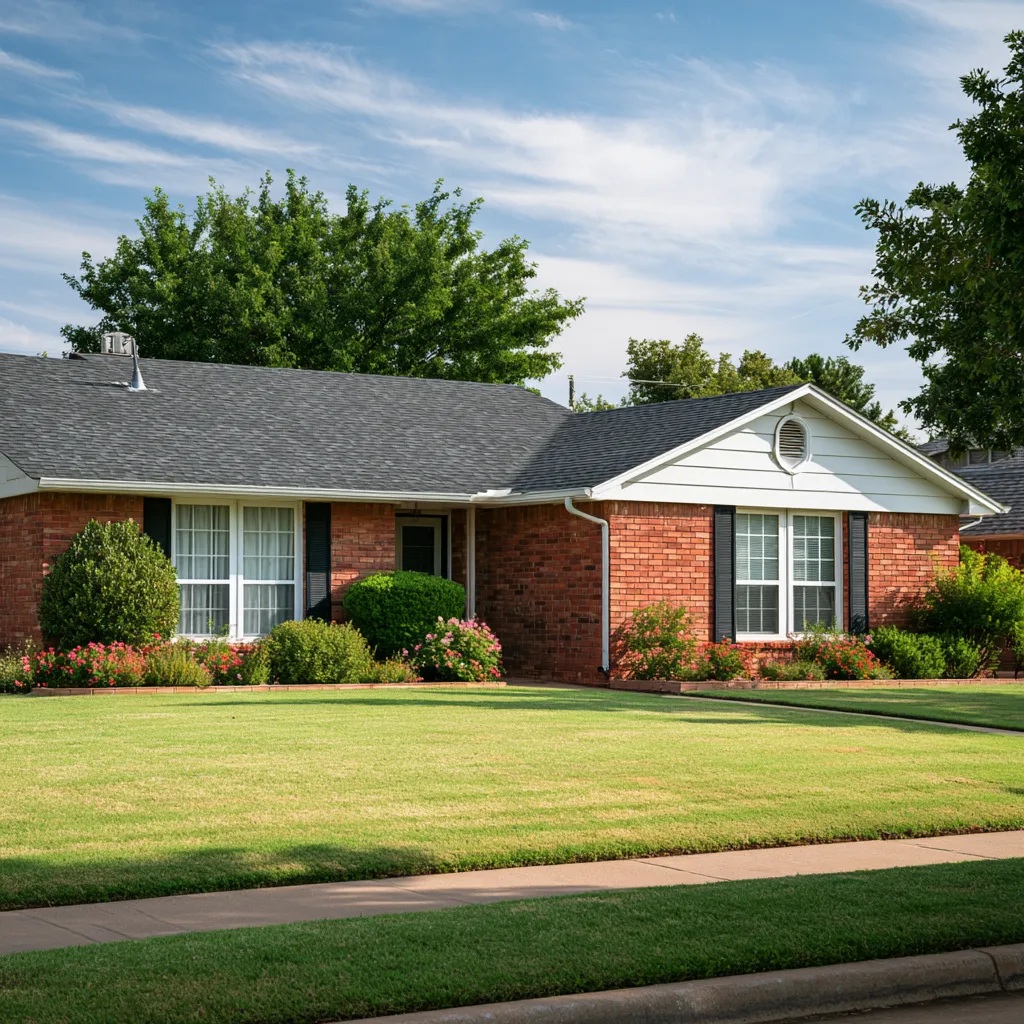
Some roof problems stay local. Others involve enough of the covering, deck or roof details that another patch only postpones the larger decision. You should understand that difference before choosing the work.
The service starts with your concern and the condition of the actual roof. House roofs and low-slope commercial roofs need different materials and inspection priorities, so each has its own path.
Trace a leak or damaged section, then repair the entry point and the nearby details that keep it watertight.
Plan the covering, deck preparation, flashing, ventilation and cleanup as one project.
Evaluate seams, drainage, rooftop penetrations and the choices between repair, restoration and replacement.
The visible shingles are only part of a house roof. Underlayment, edges, valleys and flashing at walls and pipes all help move water down and away. A new shingle cannot correct a failed detail that remains underneath it.
A useful roofing scope explains what is being repaired or replaced and where additional work depends on what is uncovered. It also keeps damaged decking, extra layers and work by other trades visible in the budget.
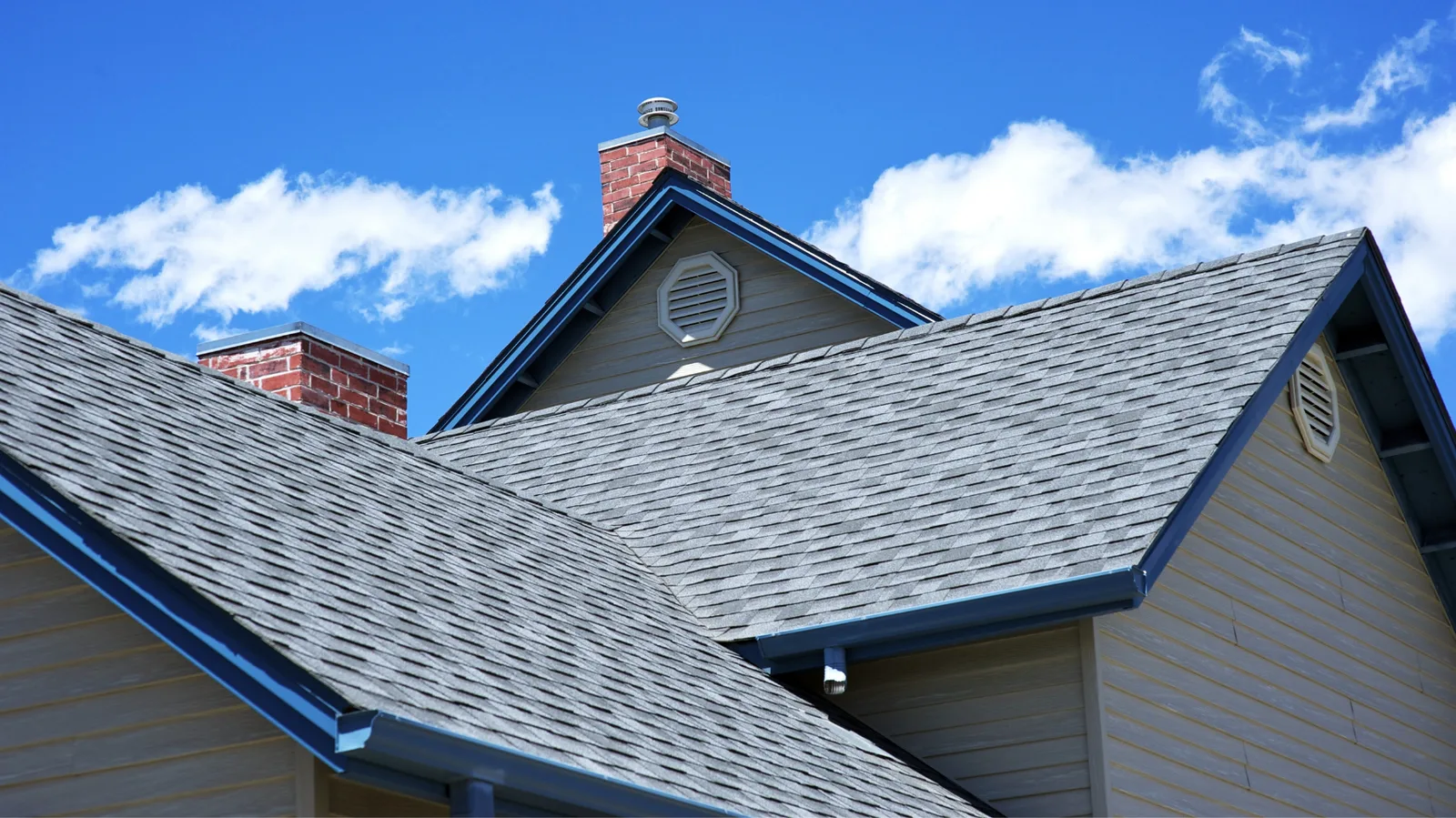
A new roof brings appearance and installation choices together. The covering must fit the slope, support and details of the building.
The layered profile provides a dimensional appearance. Underlayment, starter, caps, fastening and flashing remain part of the complete installation, even when the color is the most visible choice.
An architectural shingle can also have an impact rating. Compare the actual product and test; a rating does not promise a hail-proof roof or establish your insurer’s discount.
A concealed-fastener seam system and an exposed-fastener panel use different attachment and sealing details. Penetrations, movement allowances and compatible trim need to be planned with the panel.
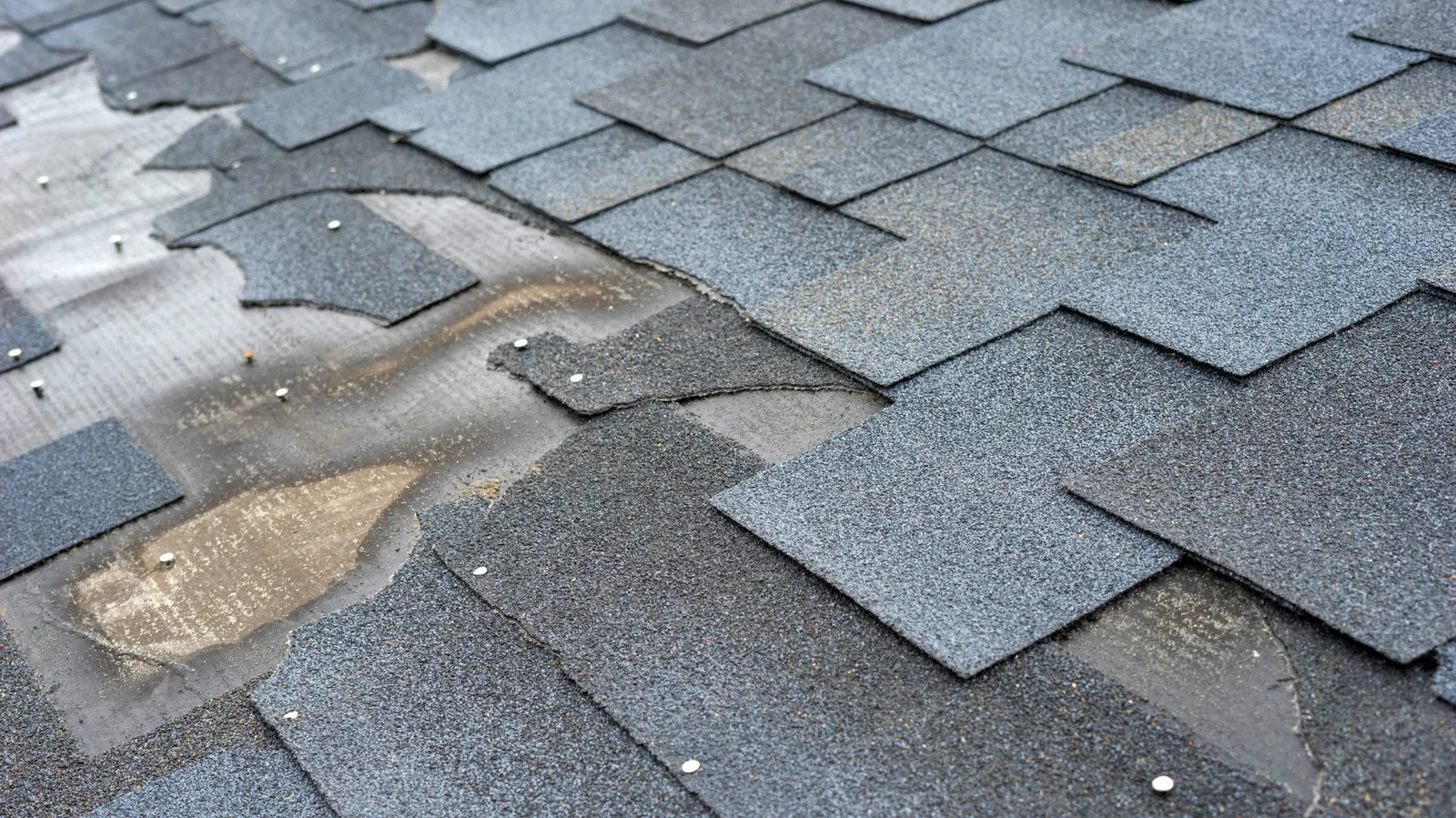
Replacing a vent boot and replacing a roof are different amounts of work. A local repair needs sound adjoining material; brittle shingles, wet wood or failed layers can enlarge what must be removed and rebuilt.
For replacement, roof surface is the sloped area being covered, not the home’s living area. Material, roof shape, removal and access establish the starting scope. The architectural-shingle planning tool explains a regional example, not a price for an unmeasured property.
| Project condition | What changes in the work |
|---|---|
| Damaged decking or extra layers | Removal exposes the fastening base. Unsuitable wood and additional old coverings change labor, disposal and replacement quantities. |
| Valleys, walls and roof openings | Flashing, skylights, chimneys and penetrations require connected detail work, rather than only a new visible surface. |
| Access and separate trades | Height, staging, equipment and protection affect installation. Interior, structural or electrical restoration is separate from stopping roof water entry. |
A missing shingle can expose the layers below; an impact can damage a covering without leaving an immediate indoor drip. An inspection looks at the roof itself and the surrounding details. Storm reports and property history add context, but a report near town does not prove damage at the house.
Tell us if water is entering now. Keep clear of a sagging ceiling, wet electrical fixtures and unstable debris. Temporary protection depends on safe access and the opening; the finished repair still needs the failed covering, flashing and affected layers addressed.
On a low-slope roof, the membrane, seams, equipment curbs, perimeter and drainage work together. Water can move through insulation before reaching the room below. A small visible opening does not always mean the affected layers are equally small.
A compatible repair can serve a roof with sound surrounding material. Restoration needs a suitable dry assembly after repairs and preparation. Wet insulation, damaged support or broad deterioration can move the decision toward replacement. Building entrances, loading access and rooftop servicing also belong in the project plan.
Use the repair material and seam method appropriate to the installed covering.
Evaluate the layers beneath the surface before choosing a new coating or roof assembly.
You do not need a diagnosis before getting in touch. A few details about the property and what changed are enough to begin.
Share the property location and the leak, damage or project you have in mind. Mention active water entry when it is happening.
A free inspection helps establish the visible roof condition and practical repair or replacement options. Safe access depends on the roof and weather.
Use the findings to understand the work involved, the material decisions and the scope that needs pricing before work is arranged.
Tell us what you have noticed and where the property is. A free roof inspection helps put the next decision in focus.